

ⓘ Educational Disclosure:
This article is for educational and informational purposes only. It does not constitute financial, legal, tax, lending, student-loan, or insurance advice. SaveXpert and its authors are not licensed financial aid professionals. Medicare rules, premiums, and enrollment periods change annually. Always verify current details at Medicare.gov or SSA.gov/medicare — or consult a free State Health Insurance Assistance Program (SHIP) counselor — before making any enrollment decisions.
One number stood out when I traced the Medicare enrollment rules through SSA publications: one. During the Medicare Advantage Open Enrollment Period, eligible Medicare Advantage members can make only one election. That single-election rule — and the gap between two easily confused enrollment windows — is where most Medicare timing confusion originates.
Key Takeaways
- Problem: Many Americans are confused about which Medicare changes are legally available during the fall enrollment window — and which dates apply to which coverage year.
- Solution: During the Annual Election Period (AEP), eligible individuals can switch between Original Medicare and Medicare Advantage, swap Advantage plans, or modify Part D prescription coverage. The AEP runs October 15–December 7 every year, with changes effective January 1 of the following year.
- Result: The enrollment period determines what changes are available. For 2026 coverage, the AEP deadline was December 7, 2025. The next AEP — covering 2027 coverage — opens October 15, 2026.
- Source: Social Security Administration — Medicare · CMS — 2026 Medicare Premiums & Deductibles
- Time To Read: 6 Minutes
Table of Contents
1. What Can You Change During Medicare Open Enrollment 2026?
2. Do You Have to Make Changes During Medicare Open Enrollment?
3. What Was the Medicare Open Enrollment Deadline for 2026 Coverage?
4. Can You Switch from Medicare Advantage Back to Original Medicare?
5. What Can You Change After the December 7 Deadline?
6. 2026 Medicare Premiums, Deductibles, and Part D Costs
8. What Can an American Realistically Expect?
What can you change during Medicare open enrollment 2026? Eligible beneficiaries can switch between Original Medicare and Medicare Advantage, swap their current Medicare Advantage plan for a different one, and join, drop, or switch Medicare Part D prescription coverage. The Social Security Administration confirms these changes take effect January 1 of the following year when made during the Annual Election Period (October 15–December 7).
What Can You Change During Medicare Open Enrollment 2026?
The Annual Election Period gives Medicare-eligible individuals several major choices each fall. According to the SSA, during the October 15 through December 7 window, eligible individuals can:
Switch from Original Medicare to Medicare Advantage.
Switch from Medicare Advantage back to Original Medicare.
Change from one Medicare Advantage plan to a different Medicare Advantage plan.
Join a Medicare Part D prescription drug plan.
Switch from one Part D plan to a different Part D plan.
Drop Medicare Part D prescription coverage.
All changes made during the Annual Election Period take effect January 1 of the following year. Part D enrollment is voluntary under SSA rules — but delaying without qualifying creditable coverage can trigger a late-enrollment penalty that applies for as long as the person holds Part D coverage.
| Enrollment Period | Dates (Annual) | Who Can Use It | Changes Available | Effective Date |
|---|---|---|---|---|
| Annual Election Period (AEP) | Oct 15 – Dec 7 | All Medicare-eligible individuals | Switch Original Medicare ↔ Medicare Advantage; swap MA plans; join, switch, or drop Part D | January 1 (following year) |
| Medicare Advantage OEP | Jan 1 – Mar 31 | Already enrolled in Medicare Advantage (one election only) | Switch to a different MA plan; return to Original Medicare ± Part D | First of month after request |
| Special Enrollment Period (SEP) | Varies by event | Those with qualifying life events | Varies by event type | Varies by event |
| General Enrollment Period (Part B) | Jan 1 – Mar 31 | Missed initial Part B enrollment | Enroll in Part B | First of month after enrollment |
Source: Social Security Administration — Medicare · SSA Program Operations Manual System (POMS). Dates and rules verified August 2026.
Do You Have to Make Changes During Medicare Open Enrollment?
No. The SSA specifically states that people who feel satisfied with their current health-care coverage don’t need to take any action during Open Enrollment. Open Enrollment creates an election opportunity — it doesn’t automatically require a new plan selection.
That said, the SSA also notes that Medicare health and prescription drug plans can change from year to year. Staying in an existing plan and actively changing plans are both legitimate outcomes. The research supports a review rather than an automatic switch in either direction.
💡 Research note: The available SSA publications don’t establish that changing plans always produces lower costs — and they don’t establish that keeping an existing plan is always financially or medically preferable. A review of the Annual Notice of Change that plans send each fall, alongside a comparison of expected costs, supports a more informed decision than either automatic staying or automatic switching.
A beneficiary whose existing Medicare coverage remains satisfactory can review available options and make no change. SSA’s published guidance specifically confirms that no action is required in that case. The important step is checking whether the existing plan’s costs, network, and formulary changed for the new year — plans can modify those details annually.

What Was the Medicare Open Enrollment Deadline for 2026 Coverage?
This date distinction is where most confusion about “Medicare open enrollment 2026” originates.
For 2026 coverage, the Annual Election Period ran from October 15 through December 7, 2025. Changes approved during that window took effect January 1, 2026. That deadline has passed.
For 2027 coverage, the Annual Election Period runs from October 15 through December 7, 2026 — a window that opens in approximately six weeks from the date of this article. Changes made during fall 2026 will take effect January 1, 2027.
⚠️ Date confusion warning: Searching “Medicare open enrollment 2026” can refer to either the enrollment period that ended December 7, 2025 (which set 2026 coverage) or the upcoming October–December 2026 window (which will set 2027 coverage). The SSA’s Annual Election Period consistently runs October 15 through December 7 each year, with coverage effective the following January 1.
A simple example illustrates the AEP mechanics. A person with Original Medicare during 2025 could elect Medicare Advantage during the October 15–December 7, 2025 window. The change would begin January 1, 2026 — not immediately when the election was made.
Can You Switch from Medicare Advantage Back to Original Medicare?
Yes. The SSA confirms that switching from Medicare Advantage back to Original Medicare is permitted under the applicable enrollment rules — not limited to one direction only.
Two separate windows allow this return:
During the Annual Election Period (October 15–December 7):
Medicare Advantage-eligible individuals can disenroll from Medicare Advantage. That enables a move back to Original Medicare, effective January 1 of the following year.
During the Medicare Advantage Open Enrollment Period (January 1–March 31):
Existing Medicare Advantage members can return to Original Medicare during this window. One important difference: the MA OEP allows only one election — and the effective date falls on the first day of the month after the plan receives the request, rather than January 1.
💡 Medigap consideration: Consumer health finance publications note that beneficiaries returning to Original Medicare from Medicare Advantage may face medical underwriting when applying for Medigap (Medicare supplement) policies, depending on state and circumstance. This is particularly relevant outside the initial Medigap enrollment period. Verify current federal and state rules with a SHIP counselor or directly at Medicare.gov before making a plan change.
Enter your income and top expenses to see where you stand.
What Can You Change After the December 7 Deadline?
December 7 ends the Annual Election Period — it doesn’t close every possible Medicare enrollment option. What remains available after that date depends on which type of beneficiary you are and whether a qualifying event applies.
Medicare Advantage Open Enrollment Period (January 1–March 31):
This window applies only to people already enrolled in Medicare Advantage. During this period, one election is permitted. That election can switch the person to a different Medicare Advantage plan or return them to Original Medicare, with or without Part D coverage. The effective date is generally the first of the month after the plan receives the request.
This creates an important boundary. The MA OEP is not a second general Open Enrollment Period for all Medicare beneficiaries. Original Medicare beneficiaries don’t receive the same MA OEP election rights that existing Medicare Advantage members do.
Special Enrollment Periods:
The SSA identifies qualifying events — such as moving outside a plan’s service area or losing employer-sponsored coverage — that can open a Special Enrollment Period. The exact election and effective date depend on the qualifying event.
Part B General Enrollment Period (January 1–March 31):
People who missed their initial Part B enrollment period can enroll during this window. The SSA states that Part B coverage under these rules begins on the first day of the month after enrollment. A late-enrollment premium penalty of 10% applies for each full 12-month period of delayed enrollment when no qualifying exception exists — and that penalty is permanent.
Part D late enrollment:
The SSA says Part D is voluntary, but delaying enrollment without qualifying creditable prescription coverage produces a late-enrollment penalty that applies for as long as the person holds Part D coverage.

2026 Medicare Premiums, Deductibles, and Part D Costs
The financial figures changed for 2026. CMS released the 2026 Medicare premiums, deductibles, and coinsurance amounts on November 14, 2025. These confirmed figures matter for any cost comparison made during the fall enrollment window.
| Medicare Cost Item | 2026 Amount | 2025 Amount | Change |
|---|---|---|---|
| Part B standard monthly premium | $202.90 | $185.00 | +$17.90 |
| Part B annual deductible | $283 | $257 | +$26 |
| Part A inpatient hospital deductible | $1,736 | $1,676 | +$60 |
| Part A full monthly premium (<30 work quarters) | $565 | $518 | +$47 |
| Part A reduced monthly premium (30–39 quarters) | $311 | $285 | +$26 |
| Part D annual OOP cap | $2,100 | $2,000 | +$100 |
| Part D standard deductible (maximum) | $615 | $590 | +$25 |
| IRMAA threshold — single filers | $109,000 MAGI | $106,000 | +$3,000 |
| IRMAA threshold — married filing jointly | $218,000 MAGI | $212,000 | +$6,000 |
Source: CMS — 2026 Medicare Parts A & B Premiums and Deductibles (November 14, 2025). Approximately 99% of beneficiaries pay no Part A premium, having at least 40 quarters of Medicare-covered employment. Part D OOP cap and deductible confirmed for plan year 2026 per CMS. IRMAA surcharges are based on 2024 MAGI (two years prior). Verify current figures at Medicare.gov.
These figures matter during Open Enrollment because the true cost comparison involves more than the plan premium. A Medicare Advantage plan with a $0 monthly premium can still carry deductibles, copayments, and network restrictions that affect total annual out-of-pocket costs. Reviewing the Annual Notice of Change alongside these baseline figures gives a more complete picture before making an election.
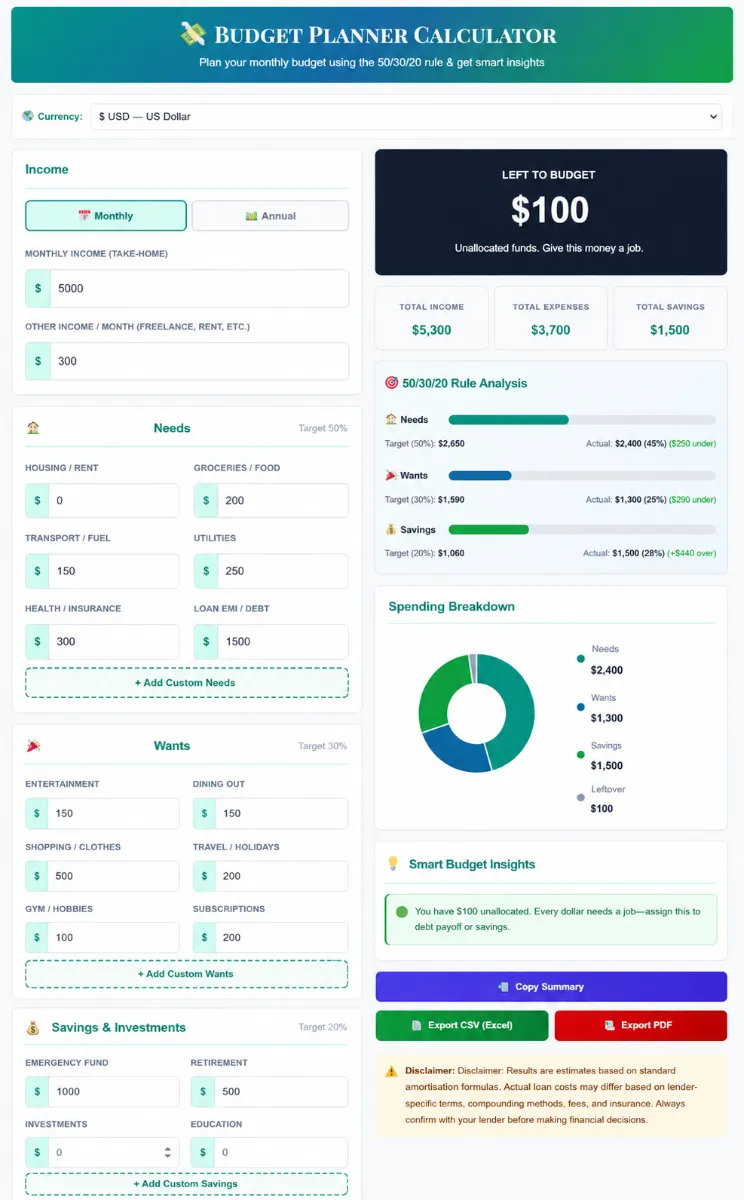
💰 Compare Coverage Costs with the SaveXpert Budget Planner Calculator
I ran a comparison scenario using recurring premiums, deductibles, copayments, and prescription expenses. Even a small monthly premium difference can look very different after annual medical and prescription costs are added. The SSA’s materials don’t establish that changing plans always lowers total spending — a side-by-side comparison that includes both monthly premiums and projected annual out-of-pocket costs gives a clearer picture than premiums alone.
Educational note: This calculator models budget scenarios for educational purposes. For official plan comparison tools, visit Medicare.gov or call 1-800-MEDICARE.
What the Data Shows Works
Based on what I found in the SSA data, the approach that consistently shows up in the official guidance is careful review of the correct enrollment period before making any election.
First:
The SSA supports reviewing coverage annually. Medicare health and prescription drug plans can change from year to year, giving beneficiaries a reason to check the Annual Notice of Change before the AEP closes.
Second:
The official rules support submitting an AEP election by December 7 when desired coverage should begin January 1 of the following year. This calendar sequence is fixed in SSA policy — it doesn’t flex based on individual circumstances.
Third:
The data supports separating the Annual Election Period from the Medicare Advantage Open Enrollment Period. Their available elections, eligibility rules, and effective dates differ materially. Applying MA OEP rules to the AEP — or vice versa — leads to wrong conclusions about what’s permitted and when.
Fourth:
No official study establishes that every beneficiary saves money by changing plans. The decision depends on the household’s specific medical needs, prescriptions, providers, and projected utilization.
Fifth:
The data supports checking whether someone has Original Medicare or Medicare Advantage before applying January–March rules. The MA OEP is not available to Original Medicare-only beneficiaries for Medicare Advantage elections.

What Can an American Realistically Expect?
For 2026 coverage, the timeline is closed. The AEP deadline was December 7, 2025. Changes took effect January 1, 2026. Someone who missed that window and has Medicare Advantage may still have had the January 1–March 31, 2026 MA OEP window for one election — that window has also now closed.
What remains open in August 2026:
Special Enrollment Periods: if a qualifying event occurred (moving, losing employer coverage, etc.)
The upcoming fall 2026 AEP (October 15–December 7, 2026): for 2027 coverage.
Medicaid and dual-eligibility programs: which have separate enrollment rules outside the AEP calendar.
The financial picture for 2026 also shows higher costs than 2025 across almost every Medicare baseline. Part B premiums rose by $17.90 to $202.90 per month. Part D’s OOP cap rose by $100 to $2,100. The Part A hospital deductible increased by $60 to $1,736. These increases don’t affect which enrollment period applies — but they do change the cost comparison for anyone evaluating whether to switch or stay in their current plan heading into the next AEP.
The Bottom Line: 5-Step Medicare Enrollment Action Plan
What should you actually do as the fall 2026 AEP approaches? Here is what the SSA and CMS data supports:
1. Clarify which coverage year you’re planning for — the calendar year and the coverage year are different:
The AEP running October 15–December 7, 2026 sets 2027 coverage, effective January 1, 2027. If a source refers to “Medicare Open Enrollment 2026” without specifying which coverage year, verify which AEP window it means before acting on any deadline.
2. Review the Annual Notice of Change before the AEP opens October 15:
Plans send this notice each fall detailing any premium, deductible, copayment, and formulary changes for the new year. The SSA says plans can change from year to year — a plan that worked well last year may carry different costs or network access in 2027. Review the notice before, not after, the window opens.
3. Compare total annual costs — not just monthly premiums — before making an election:
A $0-premium Medicare Advantage plan can carry copayments, deductibles, and out-of-network costs that exceed Original Medicare plus a supplement. Use SaveXpert’s Budget Planner Calculator or Medicare.gov’s plan comparison tool to model the full-year picture.
4. If you’re considering returning from Medicare Advantage to Original Medicare, check Medigap timing carefully:
The SSA confirms that switching back to Original Medicare is permitted during the AEP and MA OEP. But Medigap medical underwriting can apply in some situations outside the initial enrollment period. Verify your state’s specific rules at Medicare.gov before making the change.
5. If you missed the AEP and don’t have Medicare Advantage, identify whether a Special Enrollment Period applies:
The SSA identifies specific qualifying events — moving outside a plan’s service area, losing employer coverage, qualifying for Medicaid — that can open a separate enrollment window. If no qualifying event applies and you have Original Medicare, you’ll generally need to wait for the next AEP.
The next step is matching the change a person wants with the enrollment period that actually permits it. The enrollment period determines what changes are available — and getting that distinction right before December 7 matters far more than the specific plan decision made on the final day.
“When I traced the Medicare enrollment rules through SSA publications, the finding that matters most for anyone asking what can you change during Medicare open enrollment 2026 is this: the enrollment period determines what changes are available — not the calendar year. ‘Medicare open enrollment 2026’ can mean two different things depending on whether you’re trying to get 2026 coverage or planning ahead for 2027. Getting that date distinction right is the first step.”
— Kevin Brown, Lead Researcher at SaveXpert.com
Frequently Asked Questions
Ans: According to the CMS November 2025 fact sheet, major financial changes for 2026 include the standard Part B premium rising to $202.90 per month (up $17.90 from 2025), the Part B deductible increasing to $283, the Part A hospital deductible rising to $1,736, and the Part D annual out-of-pocket cap increasing from $2,000 to $2,100. The standard Part D deductible maximum also rose to $615. Beneficiaries must review their specific Annual Notice of Change for exact plan-level alterations to coverage, network, and formulary.
Ans: According to SSA data, during the Annual Election Period, you can switch between Original Medicare and Medicare Advantage, move from one Medicare Advantage plan to another, or join, switch, or drop Medicare Part D prescription coverage. Changes made during the Annual Election Period (October 15–December 7) take effect January 1 of the following year. Note that the AEP covering 2026 coverage ended December 7, 2025; the AEP covering 2027 coverage runs October 15–December 7, 2026.
Ans: No. The SSA specifically states that people who are satisfied with their current health-care coverage don’t need to take any action during Open Enrollment. However, the data shows that Medicare plans can change annually — premiums, deductibles, formularies, and networks can all shift — making a routine review recommended even when the review leads to no change at all. The decision not to act is still a decision that benefits from being informed.
Ans: The Annual Election Period covering 2026 coverage ended December 7, 2025. The next Annual Election Period — covering 2027 coverage — runs October 15 through December 7, 2026. If you are researching enrollment options after the December 7, 2025 deadline, you must either qualify for a Special Enrollment Period or, if you were enrolled in Medicare Advantage as of January 1, 2026, use the Medicare Advantage Open Enrollment Period (January 1–March 31, 2026). That MA OEP window has also now closed. The next available general enrollment window is the fall 2026 AEP for 2027 coverage.
Ans: Yes. According to official SSA rules, you can switch back to Original Medicare during the fall Annual Election Period (October 15–December 7) or during the Medicare Advantage Open Enrollment Period (January 1–March 31), provided you are already enrolled in a Medicare Advantage plan. The MA OEP permits only one election. If you return to Original Medicare outside your initial Medigap enrollment period, medical underwriting may apply for Medigap supplement coverage depending on your state — verify at Medicare.gov before making the switch.
Ans: The Medicare Advantage Open Enrollment Period runs January 1 through March 31 and applies only to people already enrolled in Medicare Advantage. It permits exactly one election — switching to a different MA plan or returning to Original Medicare. The Annual Election Period (October 15–December 7) is broader: it’s open to all Medicare-eligible individuals and permits multiple types of elections, including Original Medicare ↔ Advantage switches and Part D changes. The other key difference is timing: AEP changes take effect January 1 of the following year, while MA OEP changes generally take effect the first day of the month after the plan receives the request.