
Credit & Credit Scores
Credit & Credit Scores, How to Repair Bad Credit
How to Improve Your Credit Score Before Applying for a Holiday Credit Card
The average U.S. FICO Score hit 714 in fall 2026 — but Bankrate's data shows only 38% of "good" credit applicants received approval. Credit score is one input, not the outcome. FICO and CFPB data show that payment history (35%) and credit utilization (30%) make up 65% of the score. Utilization is the fastest-moving factor, updating within 30–45 days. Payment history is the most impactful but takes years to repair. Here's what the research says about each step before a holiday card application.

Best Credit Cards, Credit & Credit Scores
0% APR Credit Cards for the Holidays: What the CFPB Says Before You Apply
The Federal Reserve's September 2026 G.19 shows 22.15% for accounts assessed interest in Q2 2026 — the rate waiting at the end of every 0% promotional credit card offer. The CFPB's guidance establishes what the 0% label doesn't cover: fees, post-promotion APR, minimum-payment formulas, and the material difference between true 0% APR and deferred-interest structures that can charge retroactive interest on the full original balance.

Best Credit Cards, Credit & Credit Scores
How Do Credit Card Rewards Actually Work? What the CFPB Data Shows
Americans earned $47.5 billion in credit card rewards in 2024 — and paid $160 billion in credit card interest the same year. That 3.4:1 ratio is the context the CFPB's market data puts around every rewards headline. This piece explains how the interchange-fee funding model works, what cash back vs. points actually return after redemption, and what the CFPB's complaint data shows about rewards that never reach cardholders.
Best Credit Cards, Credit & Credit Scores
Best Credit Card Strategy for Holiday Shopping 2026: What the CFPB Data Shows
CFPB data shows average credit card APRs reached 25.2% for general-purpose cards and 31.3% for private-label store cards in 2024. At those rates, a 2% cash-back reward earns $20 on a $1,000 balance while interest costs $252 annually. This piece breaks down the APR vs. rewards math, the critical deferred-interest vs. true 0% APR distinction, and what the September 2026 Fed rate cut does and doesn't mean for holiday shoppers.

Credit & Credit Scores, Credit Score Basics
How to Check Your Credit Report for Free in 2026: What the CFPB Says
Every U.S. consumer can access up to 156 free credit reports a year in 2026 — but only through one federally authorized portal. Here's exactly how the CFPB says to do it safely, what to look for, and how to dispute errors under the FCRA's 30-day rule.

Credit & Credit Scores, Credit Score Basics
What Credit Score Do You Need for a Personal Loan in 2026? What the CFPB Data Shows
No federal law sets a credit score minimum for personal loans in 2026. Research shows 580 is the practical benchmark, but scores in the 700s can save nearly $10,000 in interest on a single $10,000 loan. Here's what the CFPB, Federal Reserve, and lender data actually show.

Credit & Credit Scores, How to Repair Bad Credit
How to Freeze Your Credit Before Black Friday 2026: What the FTC Rules Show
A federal credit freeze costs nothing, doesn't hurt your credit score, and blocks new-account identity theft. Here's exactly how to do it at all three bureaus before Black Friday 2026 — with the FTC federal processing times and what a freeze can't protect.

Credit & Credit Scores, Credit Score Basics
Does Holiday Shopping Hurt Your Credit Score? What the CFPB Data Shows
Holiday shopping can temporarily lower your credit score by 20–60 points by pushing credit utilization above 30%. CFPB and FICO data show most drops reverse within 1–3 billing cycles when balances are paid down.
Credit & Credit Scores, Credit Score Basics
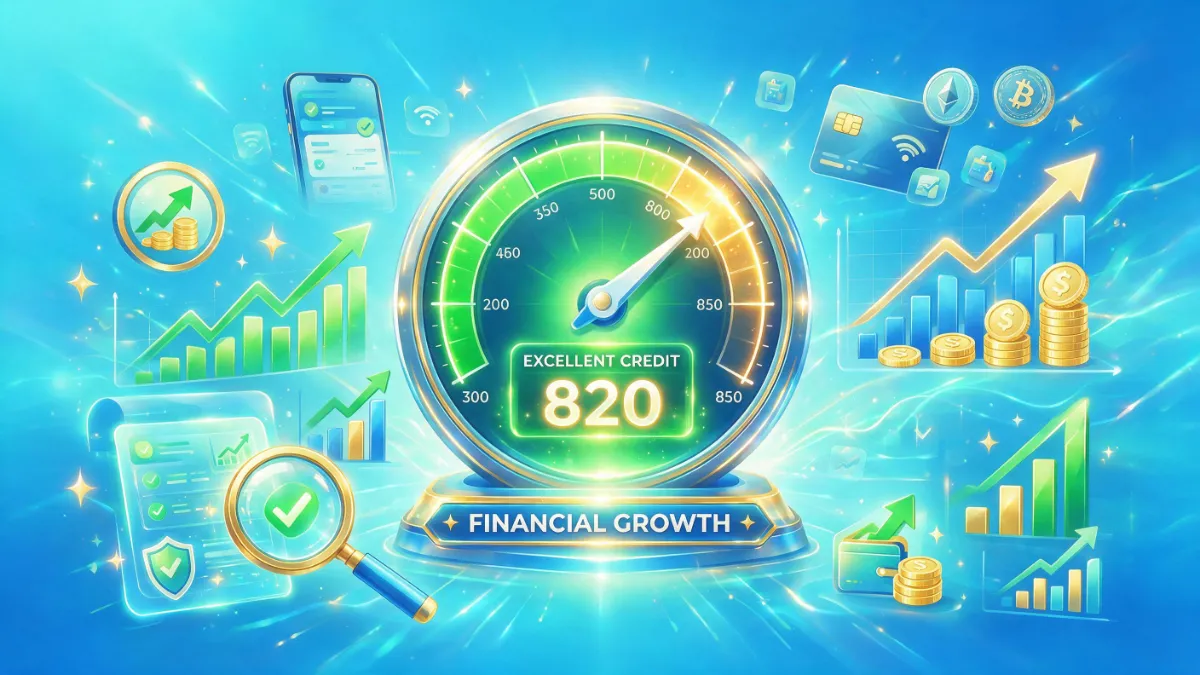
How Credit Scores Work in 2026: Complete Guide to Ranges, Calculation & Free Reports
Understanding how credit scores work in 2026 is the key to unlocking better loan terms and financial freedom. Discover exactly how FICO models calculate your 300–850 score, the differences with VantageScore 4.0, and how to check your official reports weekly for free.
Credit & Credit Scores, How to Repair Bad Credit
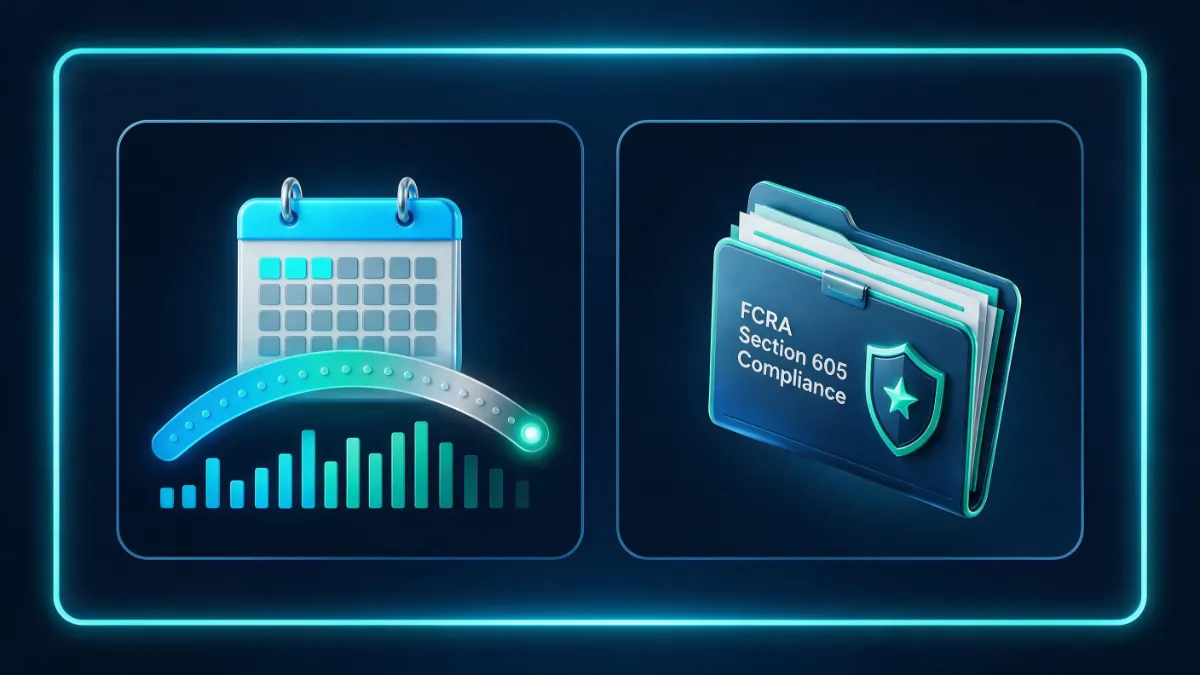
How to Fix My Credit: How Long Does It Take to Repair Bad Credit in 2026?
A 500 credit score isn't permanent—but fixing it takes longer than most people expect. Here's the real timeline for credit repair in 2026, what the FCRA actually says about negative marks, and the only strategies research shows truly work.
About Credit & Credit Scores
FICO publishes the broad weights behind its scores: payment history counts for about 35%, amounts owed about 30%, length of credit history 15%, and new credit and credit mix 10% each (<a href="https://www.myfico.com/credit-education/whats-in-your-credit-score" target="_blank" rel="noopener">myFICO</a>). Every guide in this section starts from published figures like these rather than guesswork.
You can check your reports from Equifax, Experian and TransUnion for free every week at <a href="https://www.annualcreditreport.com/" target="_blank" rel="noopener">AnnualCreditReport.com</a>, the only site federal law authorizes for free reports. If something looks wrong, the <a href="https://consumer.ftc.gov/articles/disputing-errors-your-credit-reports" target="_blank" rel="noopener">FTC's guide to disputing errors</a> explains the process step by step, and the <a href="https://www.consumerfinance.gov/consumer-tools/credit-reports-and-scores/" target="_blank" rel="noopener">CFPB's credit report tools</a> cover your rights under the Fair Credit Reporting Act.
I'm a researcher, not a licensed financial advisor. These guides explain what the official rules and data show so you can make your own decisions.

