
Finance is Complex.
We Make it Simple.
Welcome to SaveXpert — your trusted personal finance guide for research-backed money strategies, budgeting tools, and debt payoff solutions.
✓ All our content is verified from official US sources, including the IRS, CFPB, and Federal Reserve.
Free Financial Calculators
Master your money with instant charts and clear steps. No signup required.

Track your monthly income and expenses. Easily organize your spending using the 50/30/20 rule to meet your financial goals.

Estimate your monthly home loan payments, interest costs, and total property payoff timeline in seconds.

Estimate your credit score range based on key financial habits and learn simple steps to boost your rating.

Calculate the exact safety net you need to cover unexpected life expenses and safeguard your financial security.

Calculate how much you need to save today to build a secure nest egg and retire comfortably on your terms.
LATEST PERSONAL FINANCE GUIDES & RESEARCH

Credit & Credit Scores, Credit Score Basics
What Credit Score Do You Need for a Personal Loan in 2026? What the CFPB Data Shows
No federal law sets a credit score minimum for personal loans in 2026. Research shows 580 is the practical benchmark, but scores in the 700s can save nearly $10,000 in interest on a single $10,000 loan. Here’s what the CFPB, Federal Reserve, and lender data actually show.

Credit & Credit Scores, How to Repair Bad Credit
How to Freeze Your Credit Before Black Friday 2026: What the FTC Rules Show
A federal credit freeze costs nothing, doesn’t hurt your credit score, and blocks new-account identity theft. Here’s exactly how to do it at all three bureaus before Black Friday 2026 — with the FTC federal processing times and what a freeze can’t protect.

Credit & Credit Scores, Credit Score Basics
Does Holiday Shopping Hurt Your Credit Score? What the CFPB Data Shows
Holiday shopping can temporarily lower your credit score by 20–60 points by pushing credit utilization above 30%. CFPB and FICO data show most drops reverse within 1–3 billing cycles when balances are paid down.

Budgeting & Saving, Emergency Fund Guide
How to Build an Emergency Fund on a Low Income
The three-month savings target feels impossible when $75 is left after essentials. Here’s what the CFPB and FDIC research actually supports — a four-tier approach starting where you are, not where the advice says you should be.

Budgeting & Saving, Emergency Fund Guide
What Is the 3-3-3 Rule for Savings?
There’s no official federal “3-3-3 rule” — but the Federal Reserve’s three-month expense benchmark comes close. Here’s what the SHED 2025 data actually says, and why 55% and 63% are not the same number.

Investing, Investment Mistakes to Avoid
Tax Loss Harvesting 2026 Rules: What the IRS Actually Says
A $10,000 loss isn’t a $10,000 deduction — the IRS applies capital losses in a specific order. Here’s what Publication 550 and the 2026 capital-gain thresholds actually say about tax-loss harvesting.

Retirement Planning, Roth IRA vs Traditional IRA
Can You Take All Your RMD From One Account?
Yes — but with one non-negotiable step first. IRS Publication 590-B confirms you can pull all your IRA RMDs from one account, as long as you calculate each IRA separately before combining. Here’s the full aggregation table and what 401(k) owners need to know.

Retirement Planning, Roth IRA vs Traditional IRA
RMD Deadline 2026: Exact IRS Dates and Rules
The RMD deadline for 2026 has two answers — December 31 for most, April 1, 2027 for first-timers. Here’s the IRS formula, a real Publication 590-B example, and the correction path if you miss the cutoff.

Budgeting & Saving, Saving for Big Goals
How Much to Save for Christmas 2026
Nearly $150 million per day flowed into BNPL borrowing between Black Friday and Christmas Eve. Here’s the CFPB-backed formula for how much to save for Christmas 2026 — and the five steps to make it automatic.
Retirement Planning, Roth IRA vs Traditional IRA
Roth Conversion Deadline 2026: What the IRS Rules Show
April 15, 2027 is not the Roth conversion deadline. December 31, 2026 is. Here’s what the IRS rules in Publication 590-B actually show — including the pro rata rule most guides skip.

Best Budgeting Methods, Budgeting & Saving
Year-End Money Checklist 2026: Five Numbers That Actually Matter
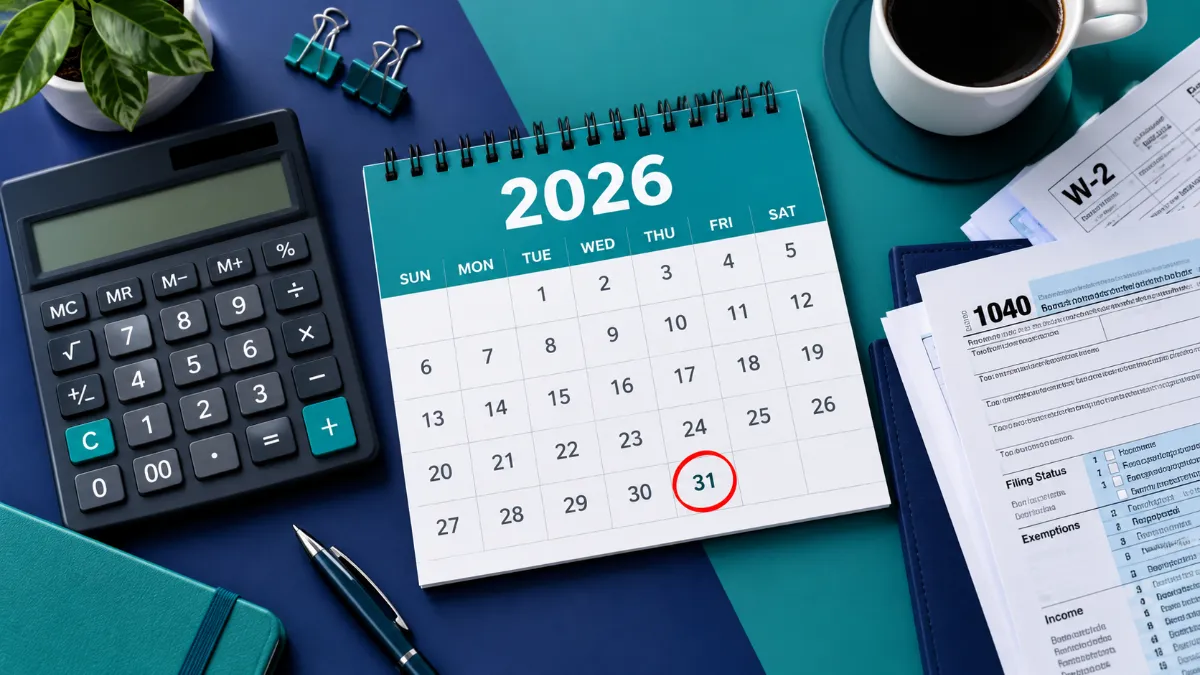
Five numbers — $24,500, $7,500, $16,100, 2.8%, 3.4% — drive almost every year-end money decision in 2026. Here’s what the official data actually says about each one.

Home & Renters Insurance, Insurance
Is Renters Insurance Worth It in 2026?
The average renter spent $5,660 on housing in 2024 — but a landlord’s policy covers none of it. Here’s what the HUD and NAIC research shows about renters insurance in 2026.
Ans: Navigating the complexities of modern money management can feel overwhelming. That is exactly why SaveXpert was created. We serve as a comprehensive personal finance guide, offering tools and insights that empower you to take total control of your wealth. Whether you are searching for a money management guide to help you get out of debt, or you need free financial calculators to plan your retirement, our platform is designed to provide instant, actionable clarity. We believe that financial literacy should be accessible to everyone, which is why all of our resources are completely free to use.
Ans: Yes. We believe that good financial decisions must be rooted in facts. That is why every personal finance guide and article we publish is meticulously verified against official US sources, including the IRS, CFPB, and the Federal Reserve. We cut through the noise to deliver debt payoff strategies and personal finance for beginners that actually work in the real world. Furthermore, our free financial calculators use industry-standard mathematical formulas to ensure your amortization schedules and interest projections are as accurate as possible.
Ans: Reading about money is one thing; seeing your own numbers is another. Our suite of free financial calculators is built to handle everything from complex mortgage amortization to simple daily budgeting. By pairing a comprehensive money management guide with interactive tools, SaveXpert ensures that you aren’t just learning about wealth—you are actively building it. Explore our calculators today to see how easy it is to track your net worth, forecast your investments, and build a lasting financial safety net. All calculations are done locally in your browser, meaning your data is never stored on our servers.
Ans: No. As your trusted personal finance guide, we do not require you to create an account, log in, or provide an email address to use any of our tools. You can run unlimited scenarios through our calculators, compare debt payoff strategies, and export your results to PDF or CSV completely anonymously. We built this platform for everyday Americans who want straightforward personal finance for beginners without the hassle of subscriptions or data tracking.